
Browse All Posts
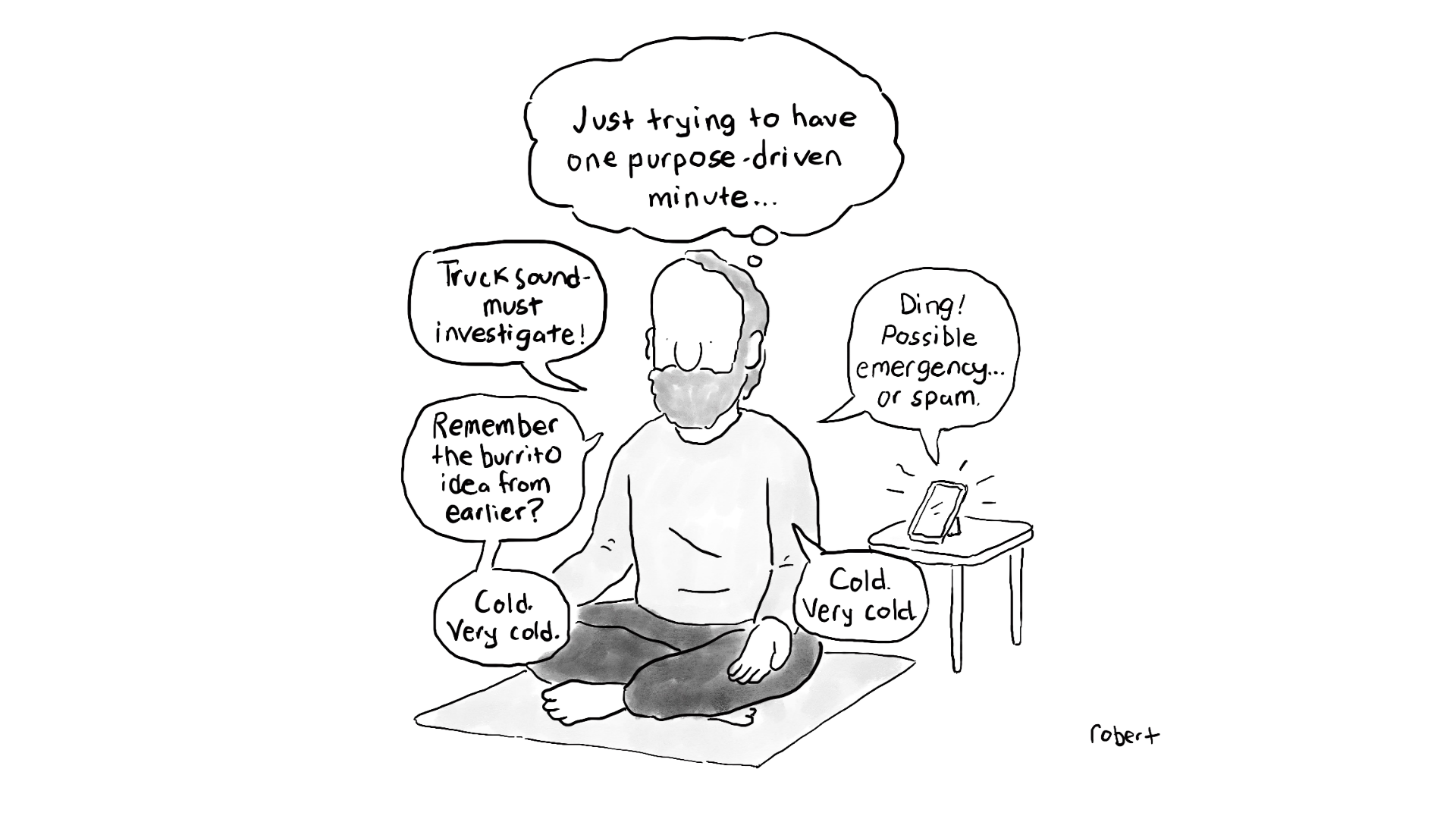
Intention
Awareness, purpose, intention.
Some time ago, I shared my purpose to write about cognition as it appears in the wild. There's the academic study of cognition, but I want to bring forward how it shows up in how we engage it day to day. So these posts have the purpose to share my metacognition, that is, watching my own mind, and the minds of others at work and to offer those observations to you.
Purpose
Awareness, purpose.
1986
I was 31 years old teaching third-grade in Cambridge Massachusetts. A boy, call him, Luke, was in my class. He had terrible handwriting, and hated reading. During reading period, he would slump all over his desk as if his bones had gelatinized, and he matched his posture with an exhausted expression that suggested he was on the verge of collapse. The second recess was announced, his face lit, he bounced up, and fled rapidly into the play yard, and whatever natural science experiment he had underway in some dirt pile. Our science teacher was an entomologist by avocation, and Luke would try to find every exotic bug for her to name. She never disappointed.
Demanding Discipline
Awareness, purpose, intention, opportunity, force, direction. It's the work of becoming more rigorously and relentlessly who we are, so we can find our highest and best, in order to get to it.
The Bots Know What You Want
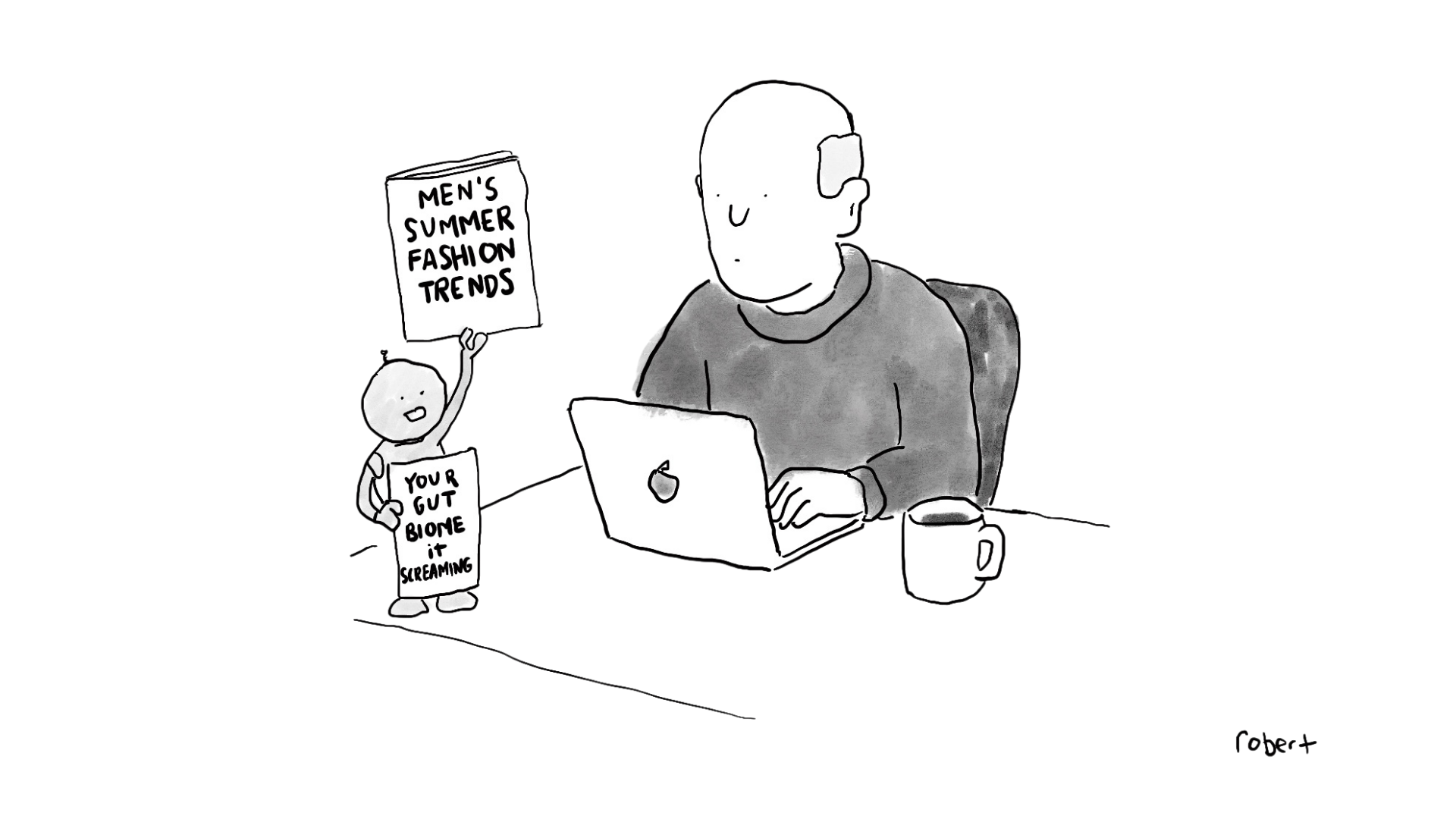
What do you need?
As I compose these thoughts into a Google doc, I'm looking outside at spring eager to emerge on this rainy day at 10º Celsius. On my keyboard, my feeble fingertips are holding back the universe of information inside, no doubt much of it of use to someone, but at this moment, all I need to know is already obvious. I need a sweater. If I go outside I'll need a raincoat.
Pain Plus Curiosity Make Us Human
Pain, desire, longing, hunger, thirst are among the prerequisites for curiosity, wonder, creativity.
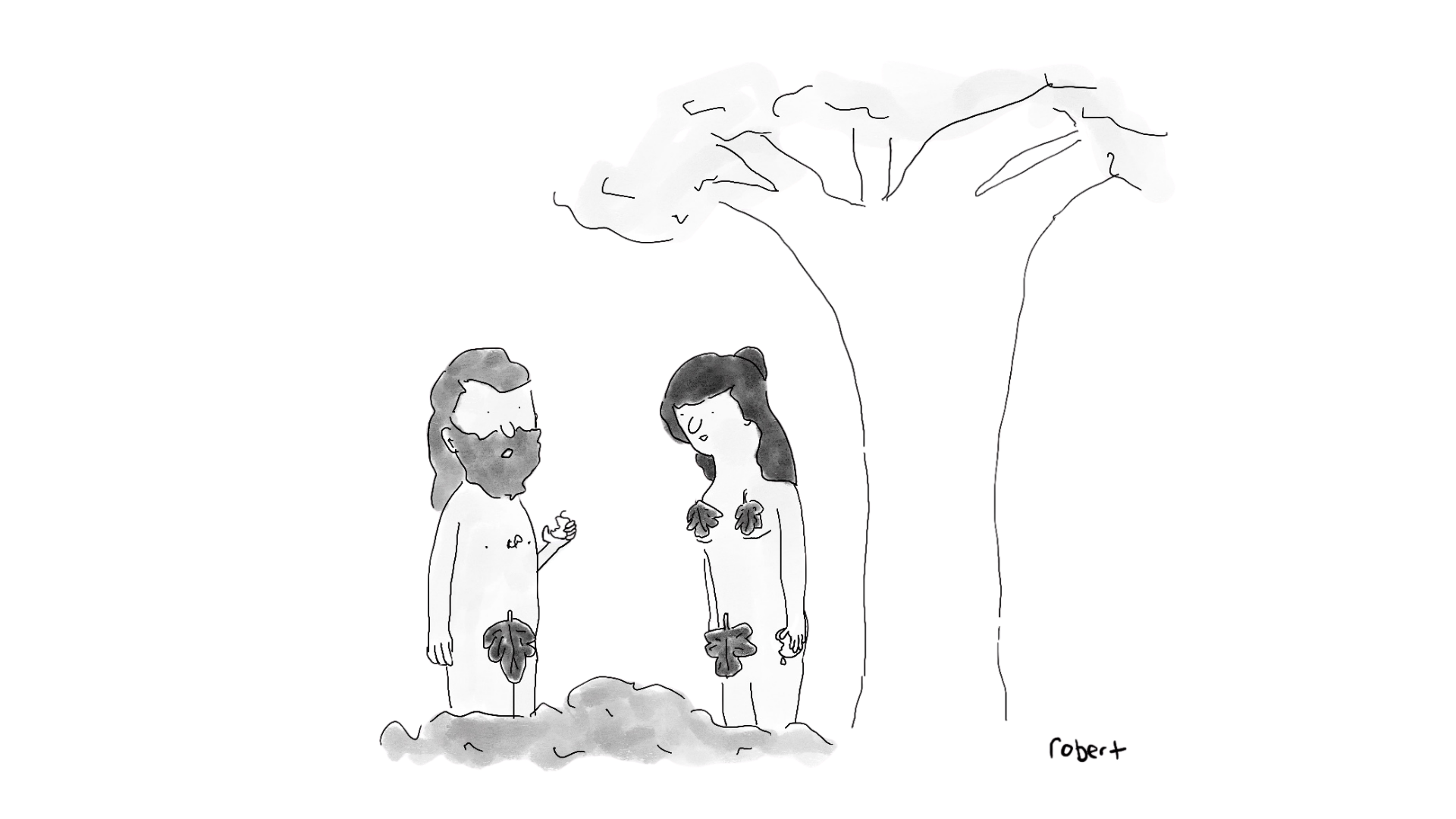
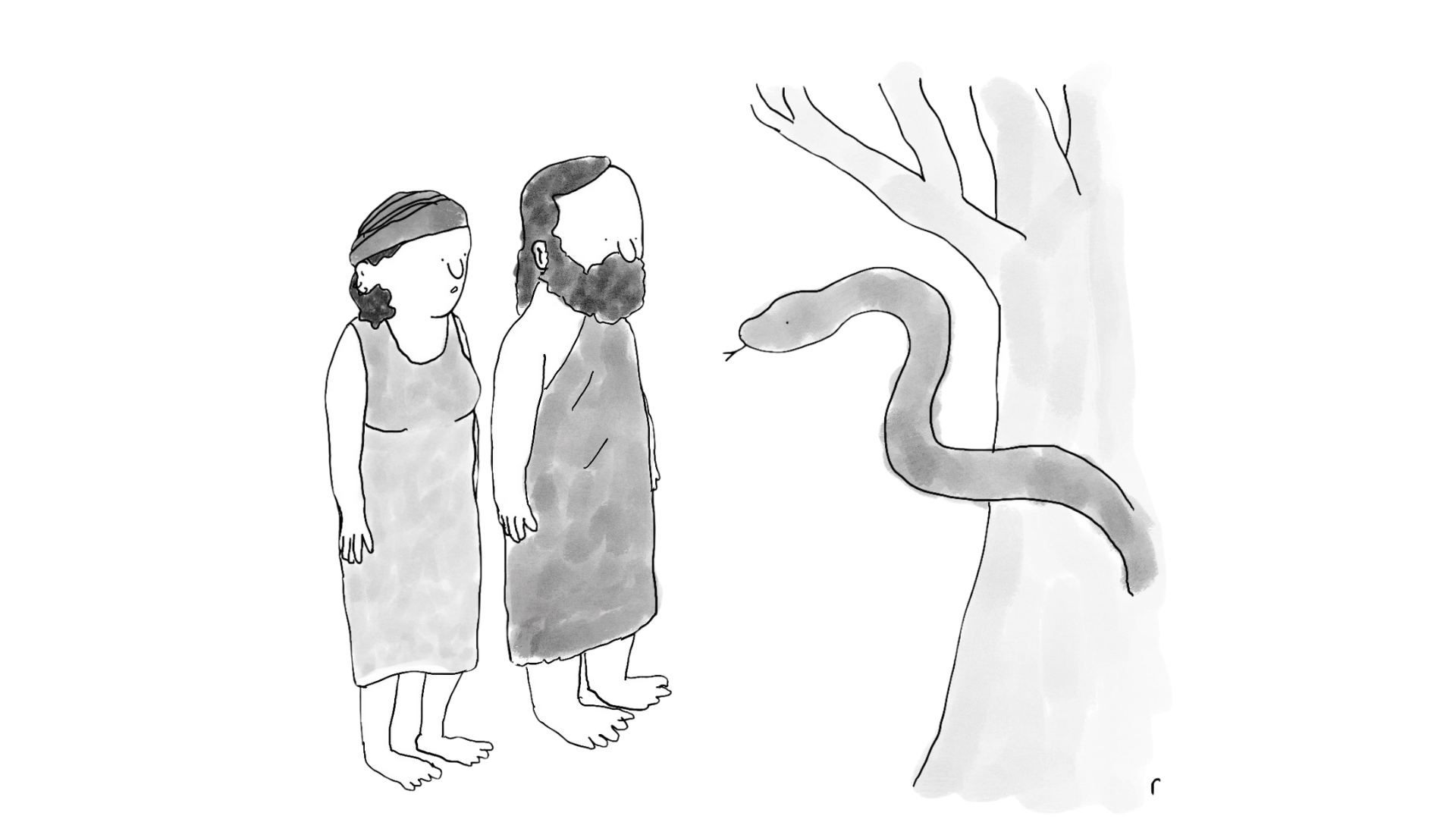
We needed to leave the Garden of Eden. We'd still be sitting on our arses there not having invented anything, achieved anything, discovered anything if Adam and Eve hadn't asked, what if? They probably shouldn't have lied about it, although the ability to deceive and deflect is an important stage in human development. It shows up around ages 8 or 9. Children younger see truth as the story that will please the adults.
Chill of the Numinous
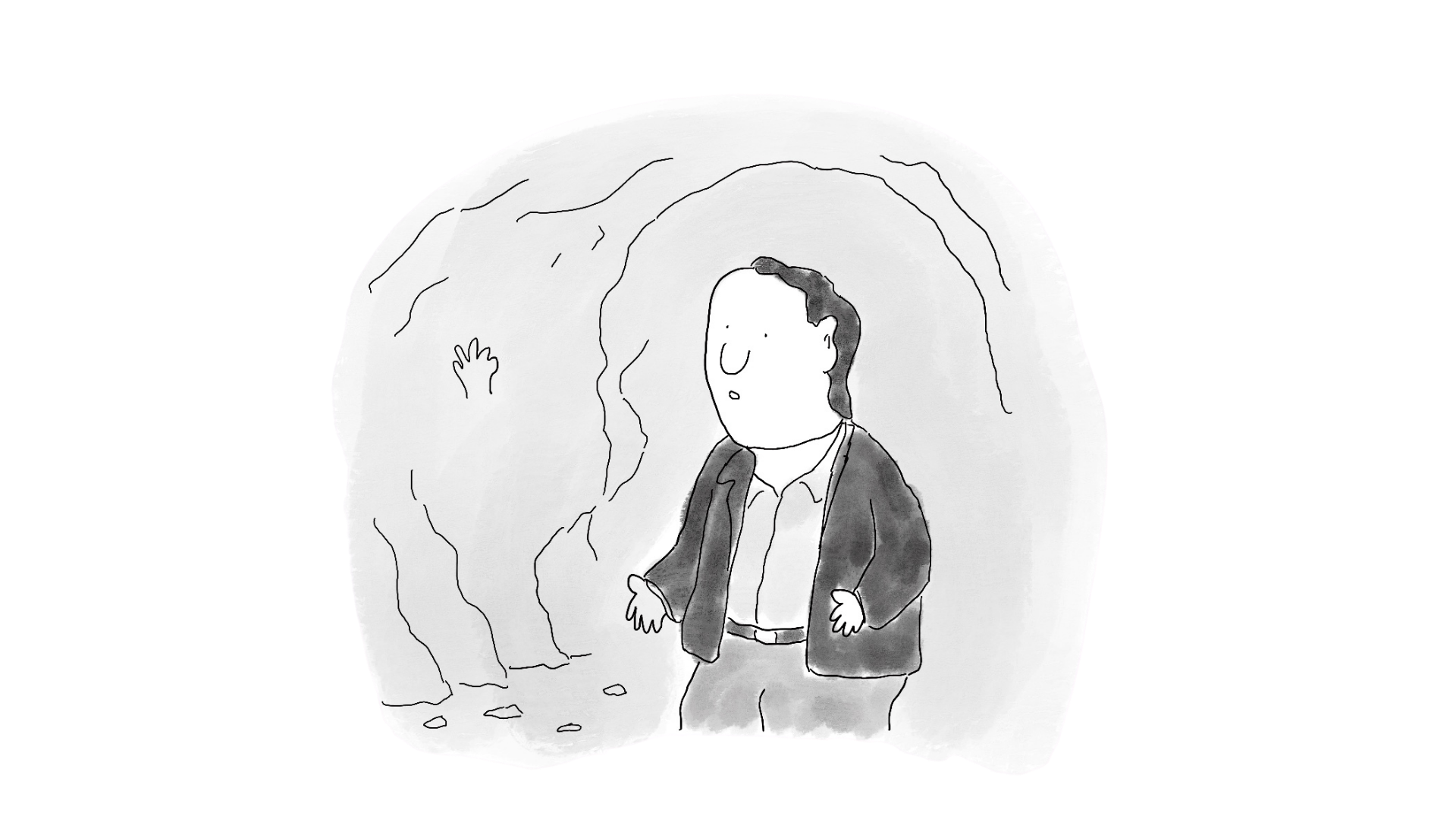
Humans, starting with beginner humans, have occupied the caves of Arcy-sur-Cure in Burgundy, France, maybe back to the Pleistocene. Sometime around 30,000 years ago, they created paintings and carvings on those walls that still exist. About a dozen years ago, I got a chance to visit.
Mr. Carroll
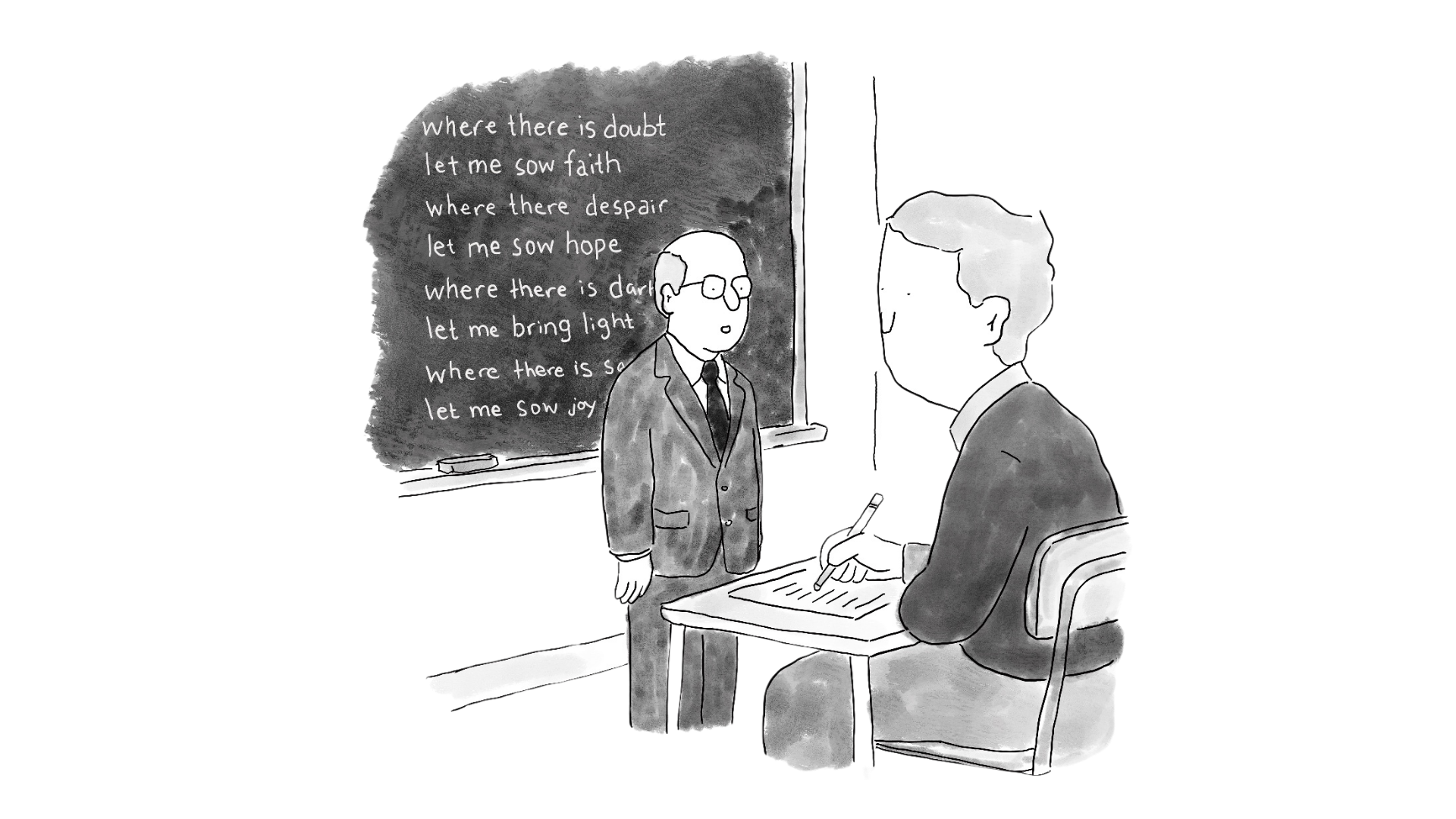
Someone asked me recently why I do what I do? He was wondering if I had a set of underlying core values that drove me. I had to say I didn't know. I'm inexplicably interested in the human condition. In particular, we seem to have this weird and slippery possibility to apply our conscious awareness to bettering our condition. I've spent my life -- with the support of data-driven probability theory -- trying to understand how to get our hands around this possibility.
Thinking Inside the Box
There are times we don’t know what we’re looking for when we engage one another. We want the other’s thoughts. We want them to brainstorm, associate, cluster, explore, dump out the contents of their brains into view so we can sift and see if there’s anything there useful or interesting. This kind of thinking is what gets generated from open-ended questions.