
Browse All Posts
Two Hours Before the Show
Two nights ago I was in Hartford, Connecticut to hear Emery play. Living in Vermont, I don't get much chance to hear Seattle post-hardcore punk, and the bonus was to hang out with the band along with Business and Culture/Environment Developer, Caity Fransen, before the show. After an early meet and greet for the band members and dedicated fans followed by pizza in the green room, one of the founding members, guitarist and keyboardist Matt Carter, and Caity took me out to the streets of Hartford to talk Kairos in the two hours before the Emery set.
Cradles of Eminence
Writer Mildred Goertzel and her psychologist husband Victor Goertzel, in 1962, published the results of their study of the formative years of 400 of the most prominent people at the time. They chose their subjects by identifying them by the number of citations in the major newspapers and magazines at the time - a concept predating the internet search engine.
What If You Can
Hi everyone - Robert here, Frank’s colleague at Kairos.
Before we step into today’s story, I want to name something many of us silently wrestle with:
We grow up in systems; schools, families, workplaces -- that teach us how things are supposed to be done. And for some of us, those instructions fit. But for many of us (like myself)… they don’t. Not because we lack ability, or effort, or talent but because the method wasn’t designed with our cognitive preferences in mind.

Obsessive Or Careful?
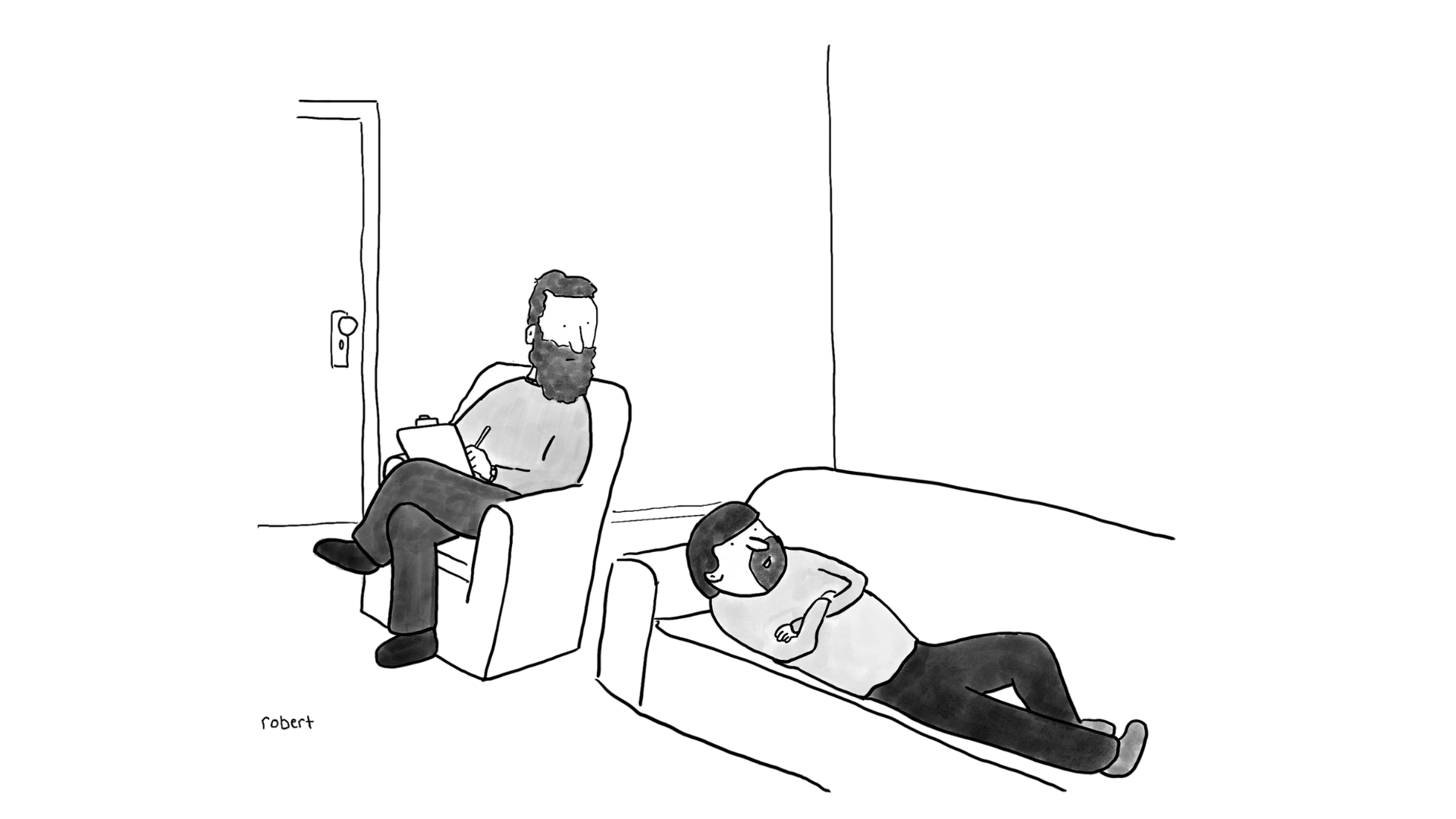
Once I spent the week at the house of a nuclear physicist. Dick had just gotten a new automatic drip coffee maker, so that week was testing week. Each morning, Dick took out the coffee, a gram balance, a graduated cylinder, and a small notebook. He weighed out the coffee and noted the weight. He then measured the water and noted the volume. He brewed it, poured out a cup, and made tasting notes.
A Different Attention
US drivers navigated 3.28 trillion miles in 2024.
There was a nonetheless horrific, but surprisingly low number of approximately 40,000 fatalities in those trillions of miles. Take out that 40% of those deaths involved drug or alcohol impaired drivers and many of the rest weren't the driver and not responsible, nearly all of us have sufficient attention to do something as challenging as safely driving an automobile in traffic.

Operating Rooms Are the Ultimate Paradox
Operating rooms are the ultimate paradox. At the center is this wet bag of humanness. Manifested by my just having sneezed, humans are leaky, impossibly complex, sloppily put together, and hard to predict. Add to this, the reason we end up on operating tables is that we are malfunctioning in some important way. The malfunction can raise the level of uncertainty by a little or by multiple powers of ten.
Question Your Identity
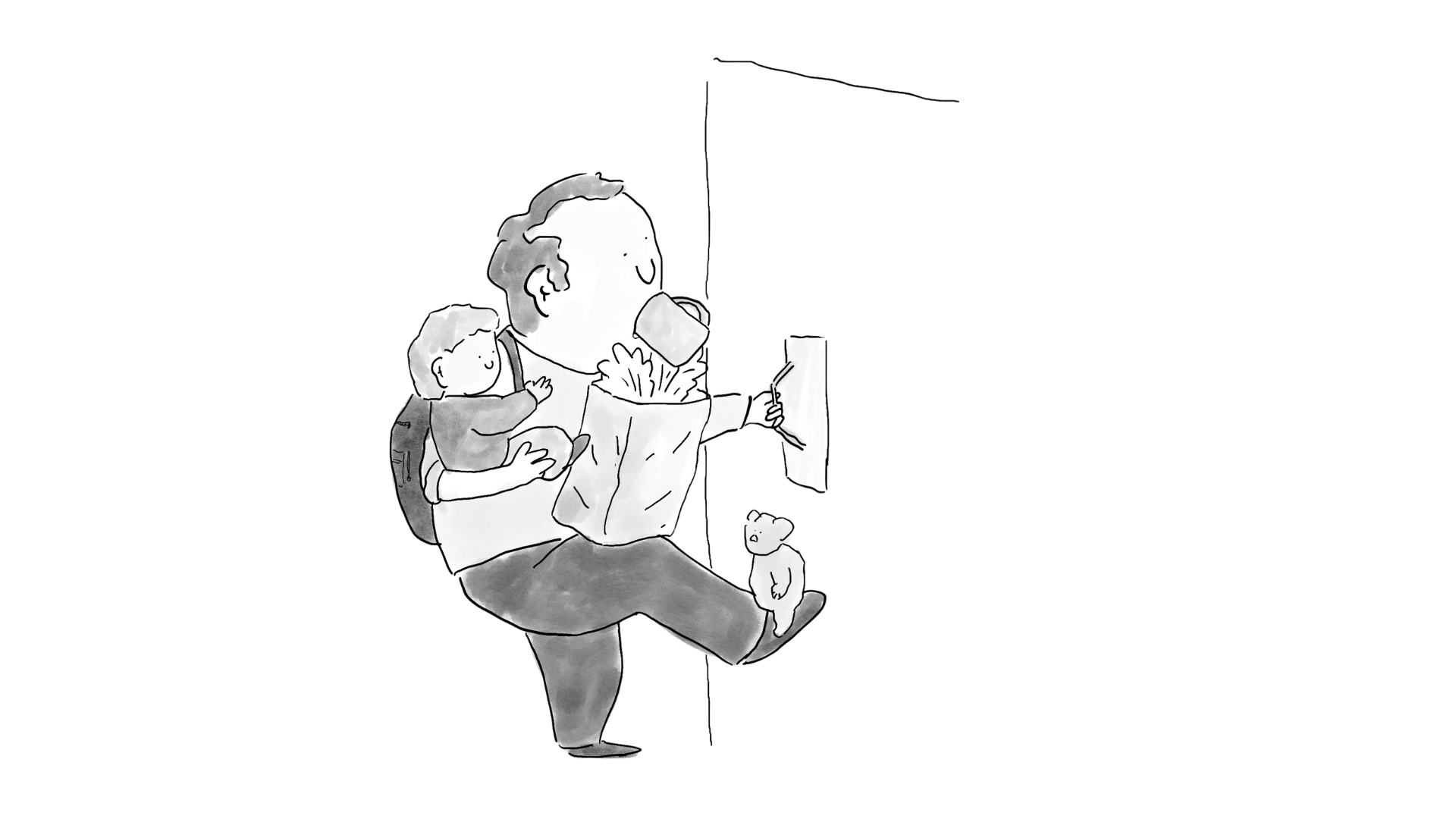
Have you had the experience of having to open a door while carrying several things?
For example, holding a toddler on your hip, while gripping a paper cup between your teeth, tucking the bag with the toddler's gear between your knees, with a stuffed animal in the pit of the arm that has the hand you're using to grab the door handle?

What can I learn from this?
Metcognition: watching our own brains at work.
That amazing quality we have, not just to react instinctively as when infants we cried out when we experienced discomfort, and suckled when presented with a food source -- fear and want being our most basic instincts -- this still somewhat mysterious process of metacognition allows us to anticipate the future so we can attempt to optimize our response to it -- the root, if you will, of all agriculture. Metacognition allows us to be aware in the present of the dynamic between what we anticipated and what is activating now so we can better optimize the present moment.
Why Every Decision Comes in 3 Parts
My hobby is carpentry. I grew up with people in the building trades. I live in an old house largely for the opportunity to keep it from falling down.
I've written before about building a porch.
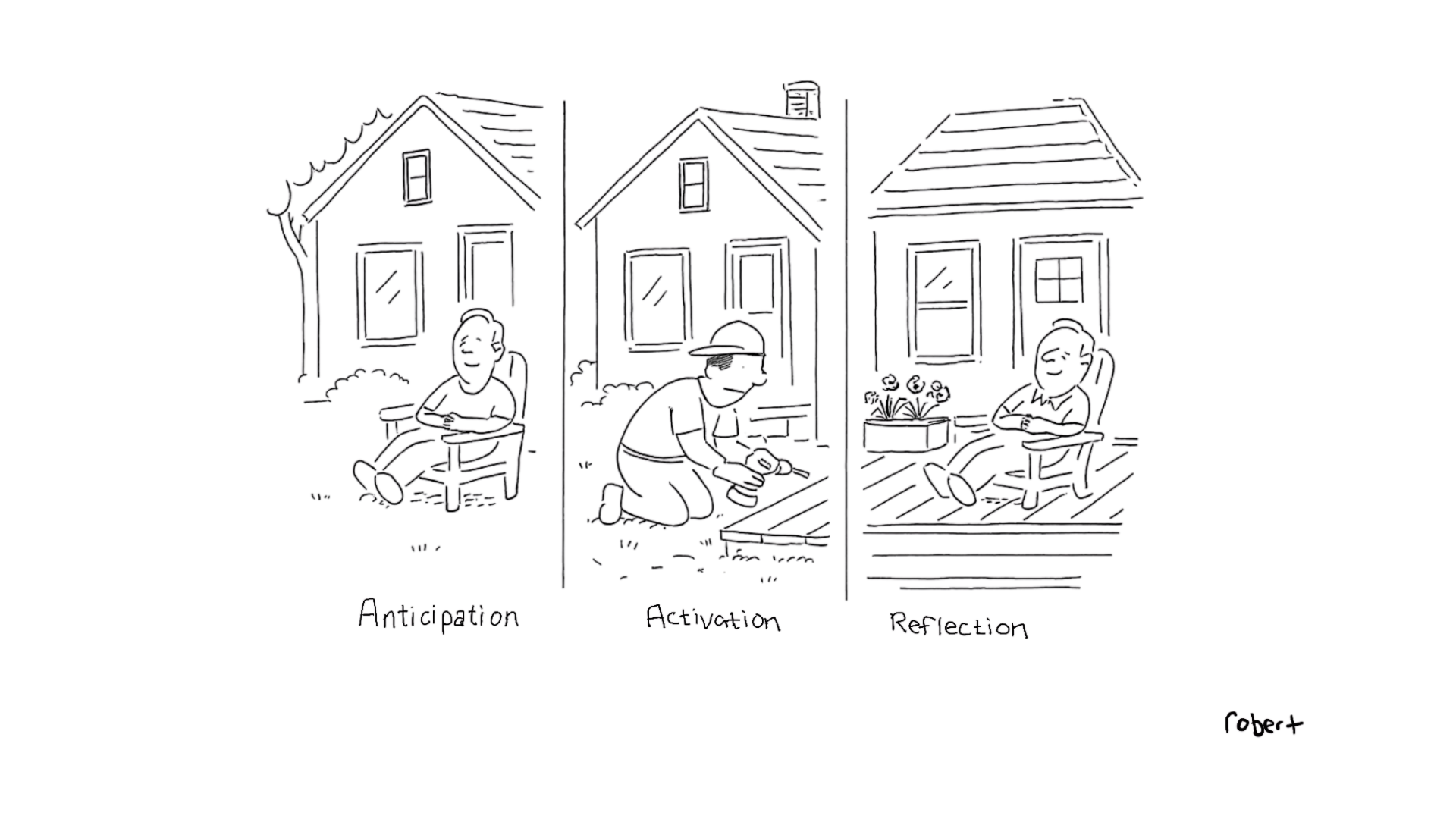
There are three cognitive positions in play whenever we make a decision.
Dates on Calendar are Closer than They Appear
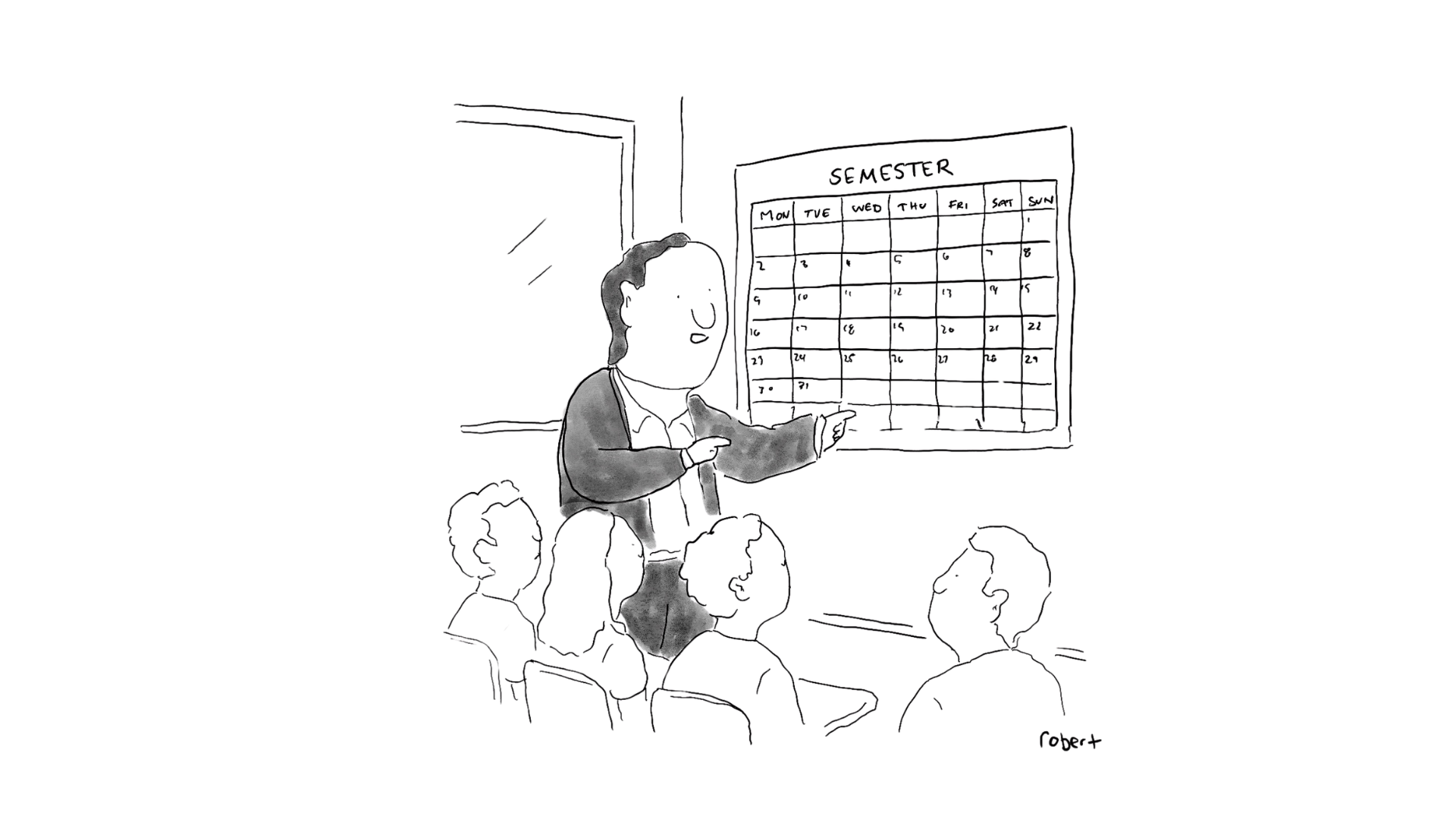
As many of you know, when I taught college undergraduates, I came to the realization that the semester seemed much shorter to me than to my students. My own undergraduate institution still sends me their calendar. It shows the first semester as 11 full weeks not counting the final exam week -- at best 33 class days. Aside from each week costing approximately $4090/student, that's not much time. However to the students, December looks safely off in the outer distance. The current 2025 calendar pictures hi jinks on the quad in shorts and t-shirts in September, and three flips later, December features hi jinks on the quad in hats and gloves with giant snow sculptures.