
Browse All Posts
Thinking Inside the Box
There are times we don’t know what we’re looking for when we engage one another. We want the other’s thoughts. We want them to brainstorm, associate, cluster, explore, dump out the contents of their brains into view so we can sift and see if there’s anything there useful or interesting. This kind of thinking is what gets generated from open-ended questions.
Turning Questions Into Invitations
What's on your mind?
My friend, Matt, has had a long career in public relations and communications, and introduced me to the term, "committing candor" when a politician or public-facing official actually says what's on their mind in a deviation from the message, talking points, or informationless response they were trained to deliver.
Ada Yonath also has questions
At home, Ada Yonath was always questioning.
"My mother said I was always asking, 'Why is that red?' and 'Why do we have winter?' and 'Why is this liquid more viscous?"
"Despite her parents’ lack of resources or formal education, they supported their daughter’s evident curiosity and, with the help of an encouraging kindergarten teacher, sent her to a prestigious grammar school."
My Sister Has a Question
Judy wants your point of view.
It's not that she doesn't have strong opinions of her own and a well-internalized point of view. In fact, that strong persona gives her the confidence to put her point of view out for challenge. Her sister-in-law and I were recently admiring how when she has decisions to make, she crowdsources. She puts her hypothesis out to her friends and associates for peer review.
Othering and Belonging
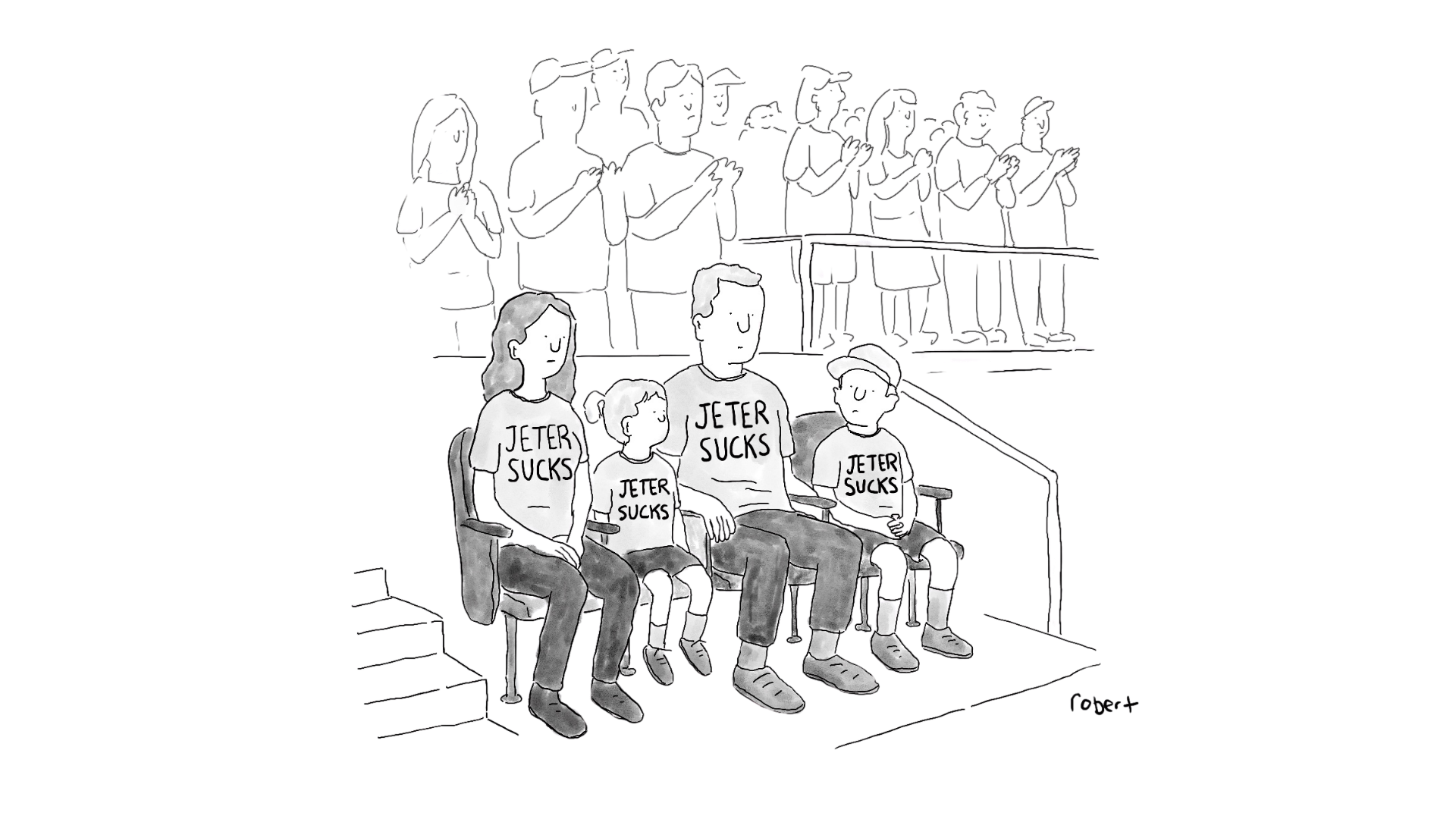
"Jeter sucks" their shirts proclaimed.
On a summer afternoon about a dozen years ago, I was standing outside Fenway Park in Boston waiting for a friend. We were using the occasion of a Red Sox game to hang out and catch up on each others' lives. As noted many times, I have a lot of identity attached to Boston -- love that dirty water -- and consequently an attachment to the Sox.
It's Just Common Sense, Right?
Common sense says the world is flat
In 240 BCE, Eratosthenes used math and astronomy to demonstrate the earth is round. Mathematicians and astronomers recognized this truth pretty much ever after, but common knowledge held the earth is flat. Duh. No one had walked west and came back around from the east. Notwithstanding a sailing expedition started by Portuguese navigator Fernão de Magalhães -- and completed by Spanish Basque navigator Juan Sebastián Elcano after de Magalhães's death -- did exactly that, as recently as 2020 a flat earthers' cruise to the ice wall at the edge of earth was planned also notwithstanding the ship's navigation would use GPS which only works because the earth is round.
Circle of Awareness
Robert and I were in DC a few years ago for some client meetings and the Washington Capitals hockey team was in contention for the Stanley Cup. Robert played collegiate hockey -- goalie and selective mover -- and DC not being a hockey town like Boston or Montreal we were able to get tickets the day of the game.
At the Moment of Decisive Action
Observe. Orient. Decide. Act.
At the moment for decisive action, whatever's going on right now, which is your context -- meets your experience -- which is everything you've learned, remembered, trained for, patterns you recognize, analogies you can apply. This rapid integration of your context with your experience occurs every time your awareness becomes an understanding that generates an action. This is what happens when you wake from sleep; when you're driving and a green light turns to a yellow light, when you hear someone call your name, when something comes moving quickly toward you: a car, a volleyball.
It's Not Just a Hammer
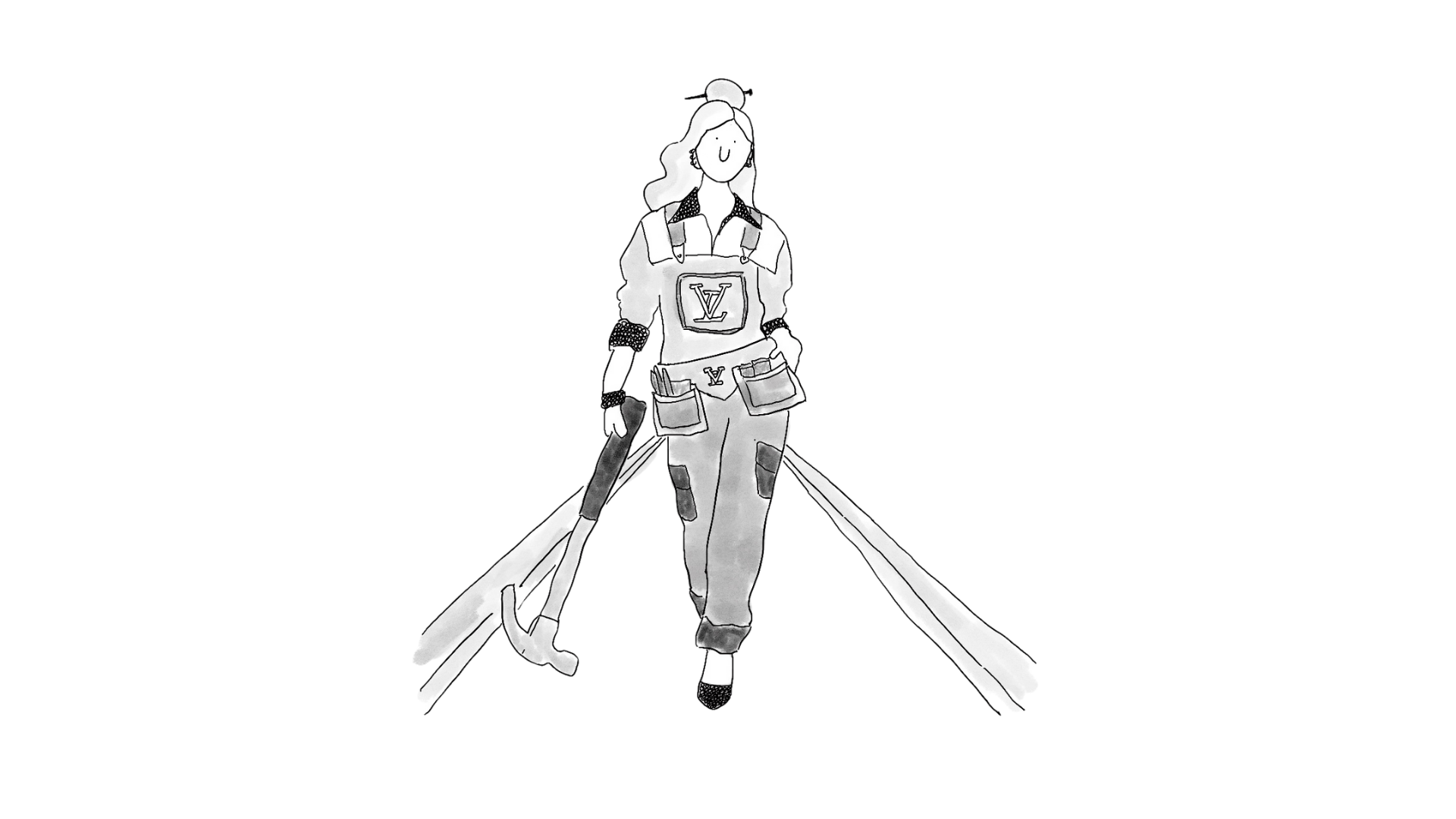
If you want to annoy me, say, "if all you have is a hammer, everything looks like a nail" Sayings like these were called bromides after a primitive sedative. It was widely observed at the time that people under the influence of potassium bromide lost their spark. They were perceived as boring.
Tip of Your Tongue Moments
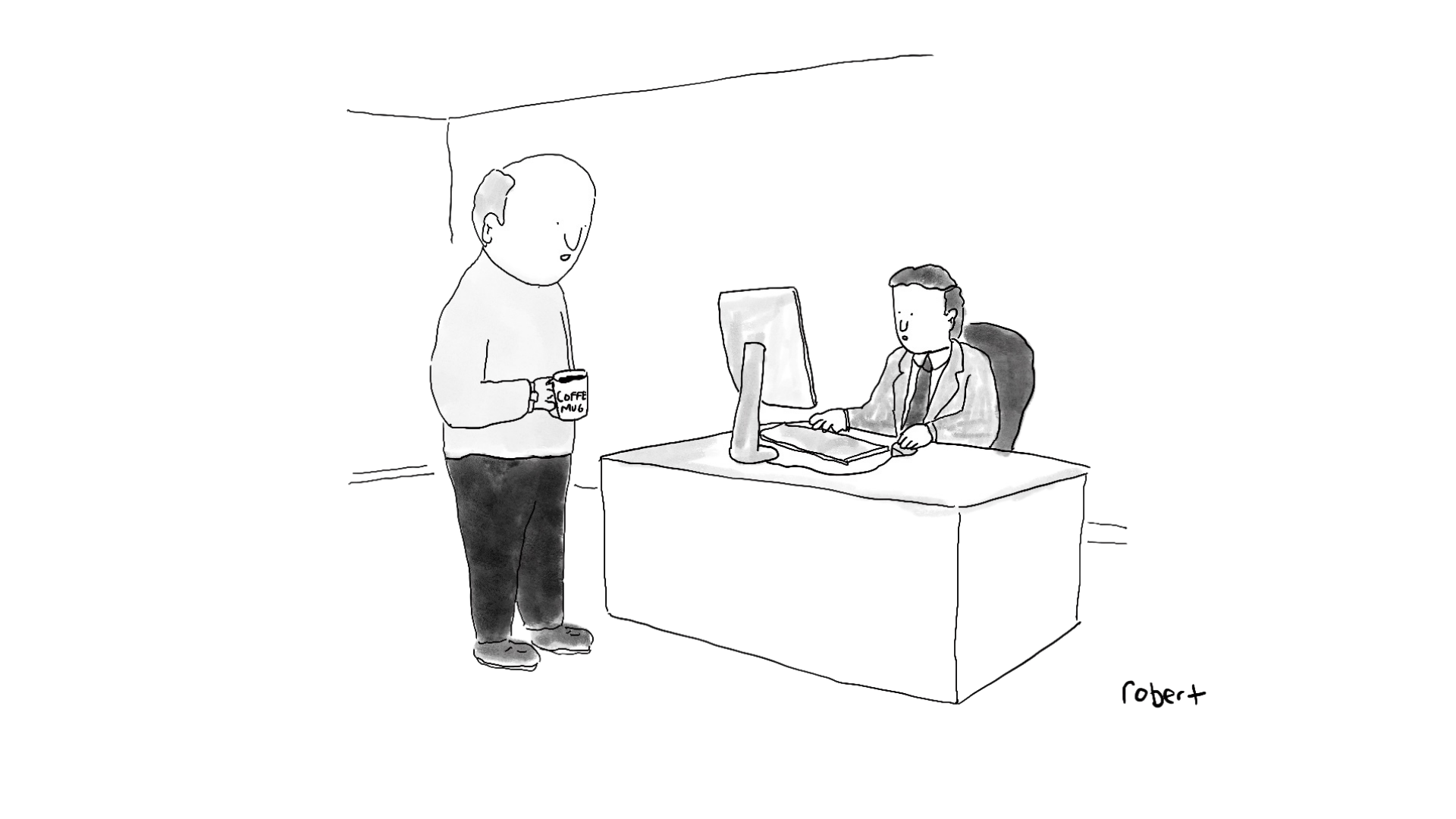
"Where did I put my cup? Oh yeah." "What's the name of that variety of mountain laurel? Oh yeah."
I talk to myself all day. A lot of it is when I'm retrieving something from memory in one of those "at the tip of my tongue" moments. So often, all I need to do is announce out loud to myself what I'm trying to remember, and it appears.